Miksi japanilaiset rannikkokäytävät tekevät näytöstä hiljaisen tauon — ja miten Miyazakin tyyliset kukkakentät syventävät tätä hiljaisuutta
Oletko koskaan pysähdyt katsomassa kuvaa sateessa ja tuulesta vaikuttavasta kivikäytävästä, joka vie mereen — ja hengästyneenä? Ei tämä ole sattumaa. Tämä artikkeli selittää, miksi japanilaiset rannikkokäytävät toimivat visuaalisina pilkkoina digitaalisessa elämässäsi — ja miten ne sovitetaan harmonisesti hiljaisiin, Miyazakin tyylisiin kukkakenttiin, jotta keskittyminen pysyy vakaana ja sisäinen rauha palautuu.
Olet keskellä Zoom-puhelua, selainvälilehdet auki ja Slack ilmoittaa viestejä – sitten silmäsi kiinnittyy työpöydän kulmaan: kapea kivikäytävä, puoliksi peitossa aamumuskaa, joka kaartuu kohti hiljaisen sinisen veden pintoa. Kolme sekuntia, ja olkapäät rentoutuvat. Tämä ei ole häiriö – se on suunnittelu.
Emme yleensä ajattele työpöytätaustaa muuten kuin koristekohdeena. Mutta mitä jos tausta ei ole vain ruudulla – vaan todella sinun hermostosi sisällä? Japanilaiset rannikkokäytävät eivät näytä pelkkää rauhallisuutta. Ne toimivat visuaalisina pilkkuina – pieninä, tarkoituksenmukaisina taukoja digitaalisen elämän hengityksessä. Kun ne yhdistetään esimerkiksi Miyazakin tyylin kukkakenttiin, ne eivät vain rauhoita – ne muuttavat ajan tunnetta hiljalleen.
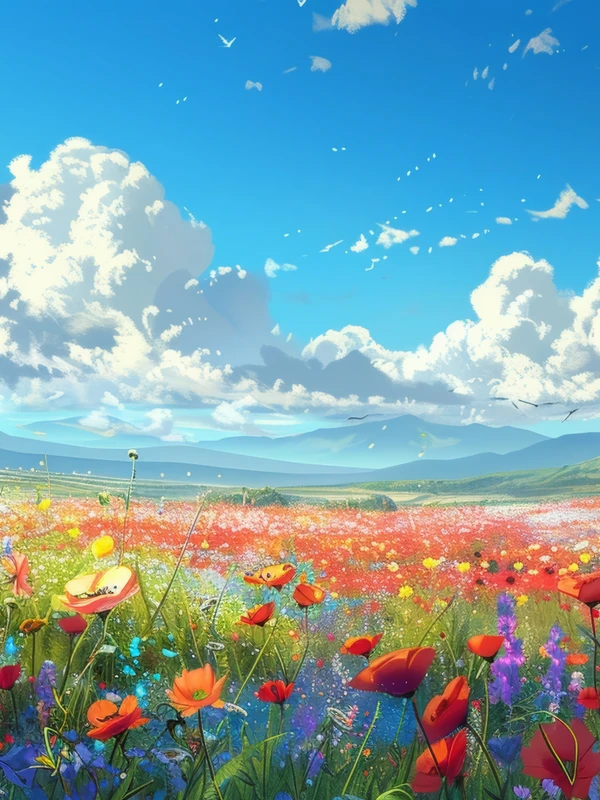
Voit ajatella niin: ruutusi ei ole enää vain työkalu. Se on kynnys.
Miksi rannikkokäytävät tuntuvat tauolta – ei vain paikalta?
Käytävät ovat yksi hiljaisimmista mutta voimakkaimmista rakennemuodoista, joita kohtaamme – mutta harva huomaa, miten ne vaikuttavat sisäiseen rytmiin. Ei kuin ovet (merkitsevät sisään tai ulos) tai ikkunat (kehyttävät etäisyyttä), käytävät viittaavat pehmeään siirtymään. Ei kiirettä. Ei saapumista. Ei lähtemistä. Vain laskettavaa – pehmeää, tietoisesti antavaa lopettamista.
Aivoisiisi tulee luettua tämä alaspäin kaartuva polku hengityksen tavoin: hitaasti, maan tasalla, vapauttavasti. Askeltaminen toistuu – jokainen askel hieman matalampi kuin edellinen – vastaa kävelymeditaation tai vatsahengityksen tahdiksi. Vaikka kuva on staattinen, se vaikuttaa subkonkreettisesti. Samankaltainen kuin 60 BPM:n metronomi ei tee sinusta rytmillistä, mutta se hidastaa sydämenlyöntiä.
Usein väärin ymmärrettävä asia on, että ihmiset uskovat rauhallisuuden tulevan tyhjyydestä – tyhjästä tilasta, heikosta sävyssä, minimalismista itsestään. Mutta todellinen hiljaisuus asuu usein tarkoituksenmukaisessa rakenteessa. Yksi kaartuva kivikäytävä tarjoaa juuri oikean määrän geometriaa pitää huomioasi – ilman pakottamista tulkita sitä. Siinä ei ole epäselvyyttä…
Ja koska nämä käytävät ovat rannikolla, niillä on vielä lisämerkitys: pohjalla on vesi. Tämä horisontti, jossa taivas ja meri kohtaavat, on yksi ihmisen silmien vakaimmista visuaalisista kiinnityspisteistä. Se kertoo hermostollesi: "Olet täällä. Olet turvassa. Voit levätä."
Kuiden tuo tämä rauha arkipäivään (ilman ylikuormittamista)
Et tarvitse muuttaa koko digitaalista elämääsi alkaaksesi. Aloita pienestä:
- Kokeile yhtä rannikkoportaiden kuvaa lukitusnäytön tai kirjautumisnäkymän taustaksi. Anna sen olla ensimmäinen ja viimeinen kuva, jonka näet päivässä.
- Käytä kukkakenttäkuvaa päätyöpöydän taustakuvioksi – erityisesti jos käytät tekstiintensiivisiä sovelluksia. Pehmeät värit lievittävät silmien väsymystä samalla kun ne antavat tunnelmaa.
- Vaihda niitä vuodenajoin, ei päivittäin. Anna jokaiselle kuvalle asettua viikoksi tai kahdeksi. Huomaa, miten keskittyminen muuttuu – ei vain mitä teet, vaan miten teet sitä.
- Valitse tarkoituksellisesti: valitse portaita, joissa on kylmät, sumuinen sävy (siniset, harmaat) ja kukkakenttä, jossa on pehmeä lavendula tai vaaleanpunainen – väritys, joka soveltuu toisiinsa, ei ristiriidassa.
- Älä pyri täydelliseen resoluutioon – mutta valitse kuvat, joissa on pehmeä valo ja todellinen tekstuuripinta. Hieman hienorakeinen kuva todellisesta mohasta tunnettaa rauhoittavampaa kuin korkeanlaatuinen CGI-portaikuvan idealisoitu versio.
Tärkeää ei ole realistisuus – vaan yhteys. Tuo kuva tekee syvemmäksi hengityksesi? Raeko jälkiä, kun katsoit sitä? Se on kehoasi sanovan: Kyllä. Tässä kuuluu olla.
Rauha ei ole tyhjyys – se on mahdollisuuksia täynnä
Olemme opetettu täyttämään hiljaisuus. Optimoida tauot. Pitää levottomuutta aikaa menetetyksi.
Mutta japanilainen rannikkoportaikuvan ei tarvitse anteeksipyytää hiljaisuuttaan. Samoin kuin kesäkuukauden tuulen heiluttama kukkakenttä. Ne ovat vain olemassa – täydellisiä, rauhallisia, syvästi huomaavia omaa olemassaoloaan.
Kun valitset näitä taustakuvia, et ole koristamassa näyttöä. Olet tarjoamassa itsellesi kutsun – liikkumaan päiväsi kanssa enemmän kauneutta, juurten ja pehmeämpää tietoisuutta. Rakennat mikro-sanktiota siihen käyttämäsi rajapintaan.
Se kolmen sekunnin tauko videolehdessä? Se ei ollut satunnaisuus. Se oli hermostosi muistamassa, miten maataa. Joka kerta, kun näet ne portaat tai kukkakentät, annat sille mahdollisuuden muistaa uudelleen.
Tänään radikaalin tuottavuuden toiminta ei ole tehdä enemmän, vaan luoda tilaa, johon keskittymisesi voi palata kotiin.
Jos haluat syvempää rauhaa, tutustu sarjamme rauhallisesti suunniteltuihin taustakuvien selaa taustakuvia. Tai aloita pehmeästä laskeutumisesta ja avautumisesta – Miyazaki-tyylisen kukkakentän 8K HD -taustakuvapaketti – jokainen kuva on suunniteltu ei vain näkemiseen, vaan tuntemiseen.
Related Articles
Minun kaksinäytönnäinen salaisuuteni: Kuiden työpöytätaustat kuin metsämatkalla — rauhalliset, yhtenäiset ja todella miellyttävät
Koska olen etänä työskentelevä, joka katsoo kahta näyttöä päivittäin, en enää pi...
Kuinka minä annan työpöydälle hengityksen vuodenaikojen mukaan — ja miksi anime-maaseutumökki-taustakuvat tuntuvat aina kotona, vaikka kuukausi olisi mikä tahansa
Olen etätyöntekijä, joka on vaihtanut vuodenaikoja (ja näyttöjä) kahdeksan vuott...
Tietokoneesi tuntuu painevaltimelta? Vaihda rauhoittava syyskuun taustakuva-arkisto 5 minuutissa
Käytät jatkuvia tapaamisia ja näyttö näyttää sekavaksi. Tämä 5 minuutin opas ohj...